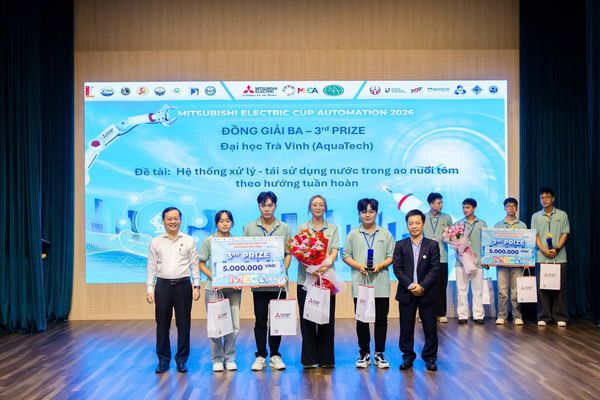
Tra Vinh University joins the Vietnamese delegation at the SALTA 2026 International Workshop in the Netherlands: Advancing solutions to address saltwater intrusion in the Mekong Delta
Building on the success of innovative initiatives developed and effectively implemented by Tra Vinh University to address saltwater intrusion in the Mekong Delta, the University continues to elevate these efforts through international cooperation platforms. From June 7 to 12, 2026, a delegation of Vietnamese experts undertook a working visit and participated in a series of activities at the SALTA 2026 International Workshop in the Netherlands. The visit was conducted within the framework of a Dutch-supported programme aimed at mitigating and adapting to saltwater intrusion in Vietnam. Representing Tra Vinh University, Dr. Tran Thi Ngoc Bich, Director of the STARS Water Center, made significant contributions, particularly to shaping the bilateral cooperation strategy during the final working session.
Global Challenges and Collective Efforts at the SALTA 2026 Workshop
Currently, approximately 1.4 billion hectares of agricultural land worldwide are affected by salinity. Soil salinization, drought, and the scarcity of freshwater for irrigation are making agricultural production increasingly difficult, directly reducing crop yields and significantly affecting farmers’ incomes. As each region has its own specific soil and water conditions, identifying practical and locally adapted solutions has become an urgent priority.
On June 9 and 10, 2026, WaterCampus Leeuwarden in the Netherlands welcomed more than 90 delegates from various countries, including Vietnam, to the international workshop entitled “Practical Solutions for Agriculture in Salinizing Deltas,” organized by the Salta Cluster.
The workshop brought together scientists, policymakers, farmers, and other stakeholders to exchange knowledge and discuss practical solutions for agriculture in delta regions. By connecting scientific research with policymaking and real-world farming experience, the workshop aimed to contribute to sustainable agricultural development and strengthen resilience in vulnerable delta areas.
The Vietnamese delegation included representatives from:
- Tra Vinh University (TVU);
- Can Tho University (CTU);
- Vietnam Organic Agriculture Association (VOAA);
- Can Tho City Farmers’ Union;
- Agriterra Vietnam.
Field Visits and Learning from Advanced Dutch Models
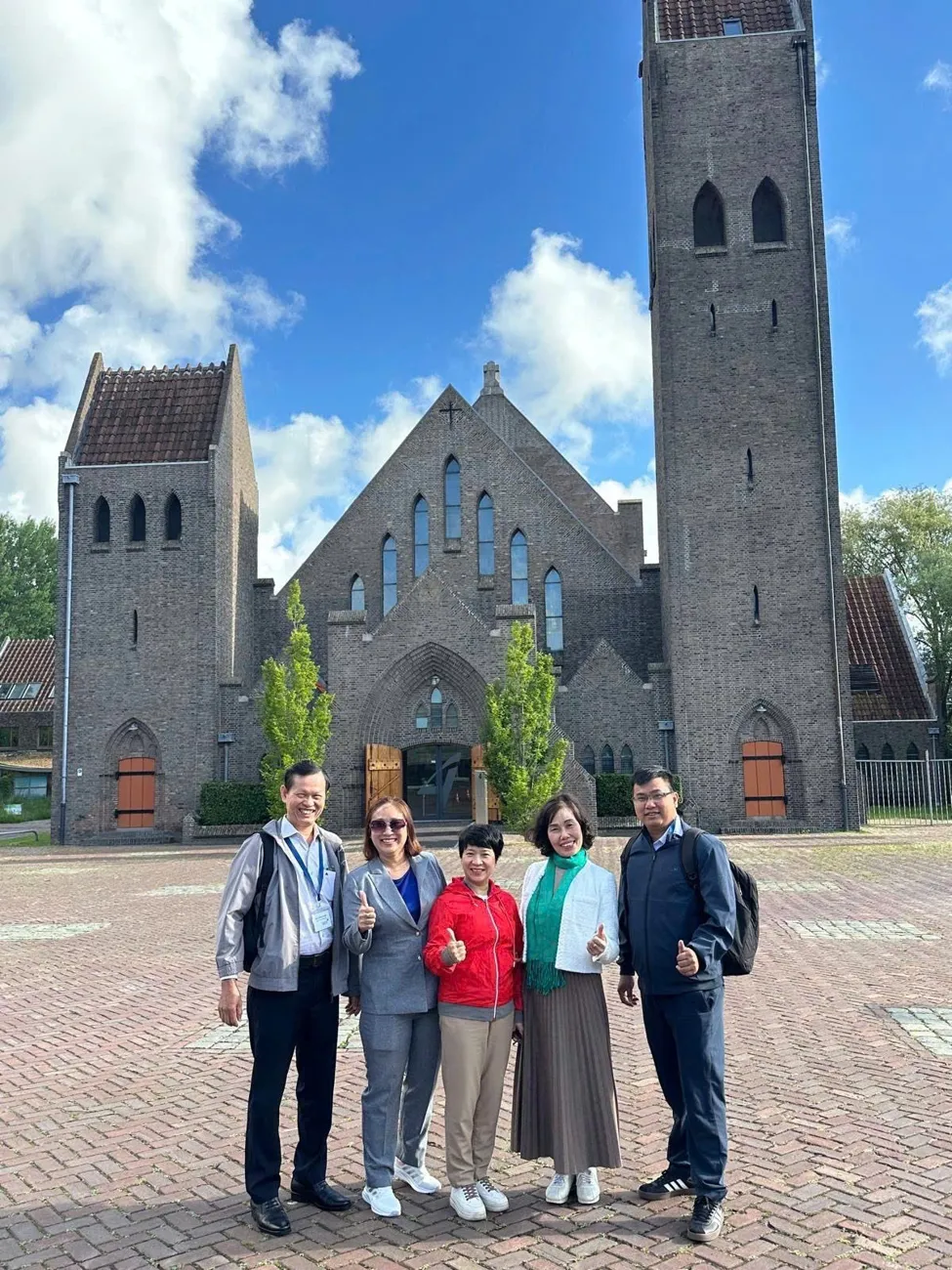
In addition to the in-depth discussion sessions held at Van Hall Larenstein University of Applied Sciences, the delegation participated in a series of engaging field visits across Friesland and neighbouring regions of the Netherlands:
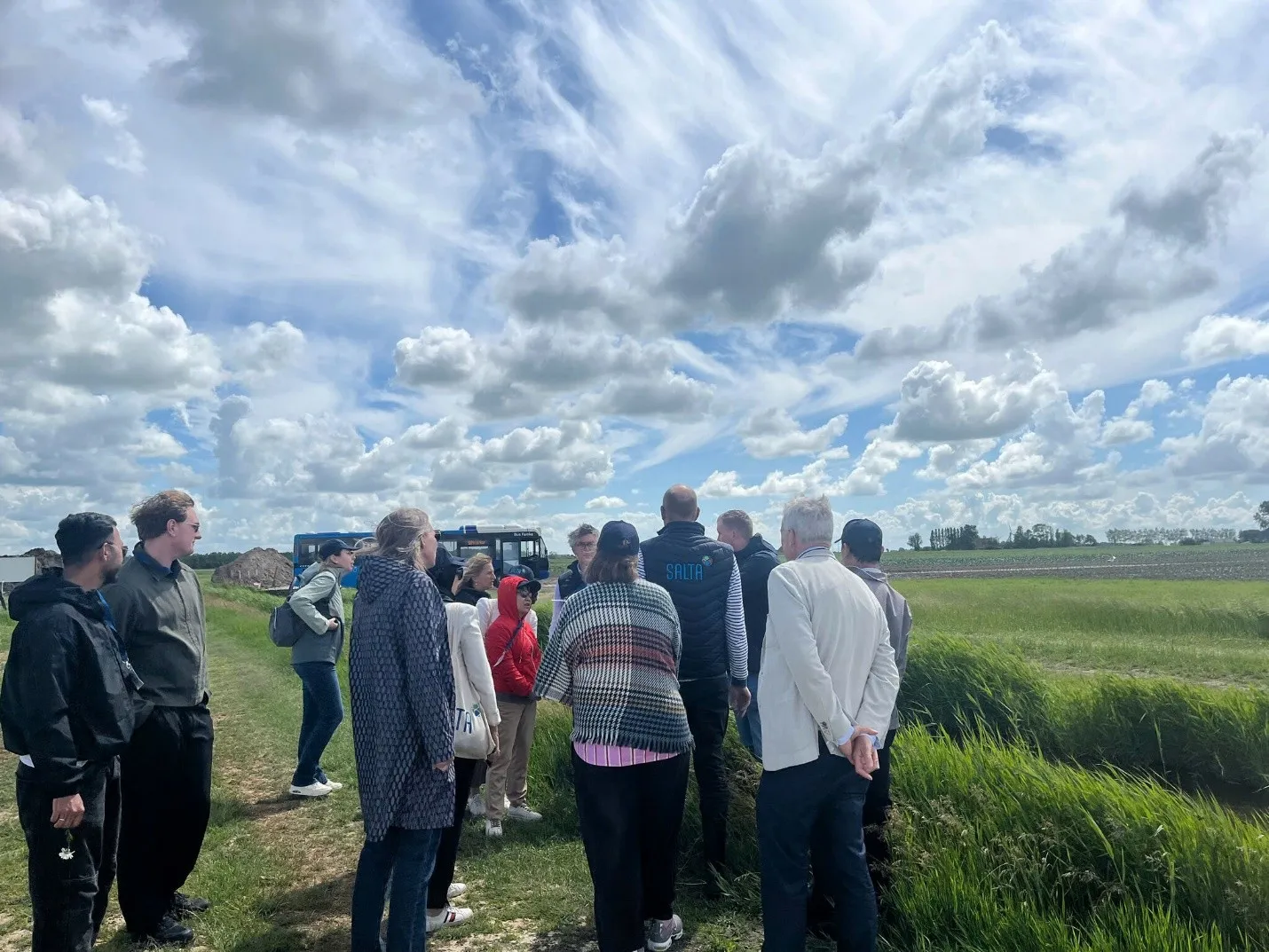
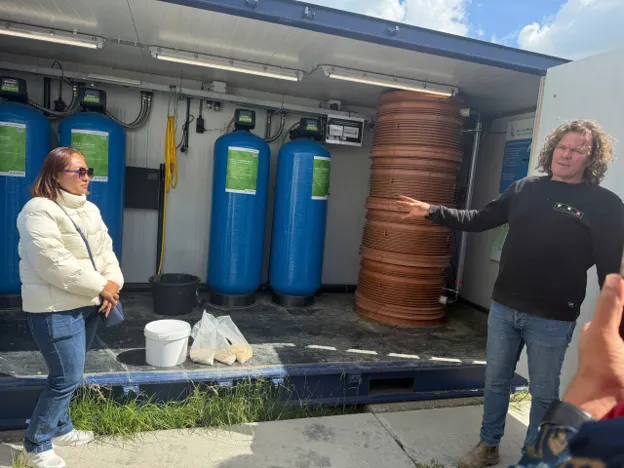
- SALTA Experimental Facility and the Saline Lagoon in Friesland: Gaining practical insights into the operation of models designed to support direct adaptation to saline conditions.
- Anna Paulownapolder Freshwater Farming Project: Exploring effective solutions for managing, conserving, and optimising freshwater resources for agricultural production.
- GreenTech Amsterdam International Horticulture Exhibition: Learning about some of the latest technologies in horticulture, greenhouse cultivation, and advanced environmental control.
Tra Vinh University Contributes to Shaping the Next Phase of Vietnam–Netherlands Strategic Cooperation
As one of the pioneering institutions in the Mekong Delta in applying research on climate change adaptation, water-resource management, and the sustainable integration of water resources to support the development of coastal communities, Tra Vinh University’s participation in this workshop reaffirmed its central role in innovative initiatives addressing saltwater intrusion.
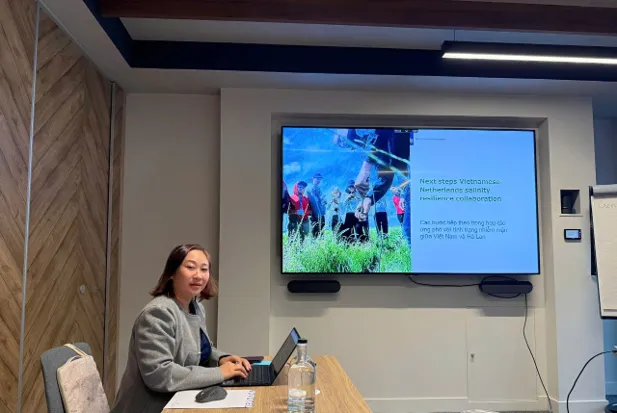
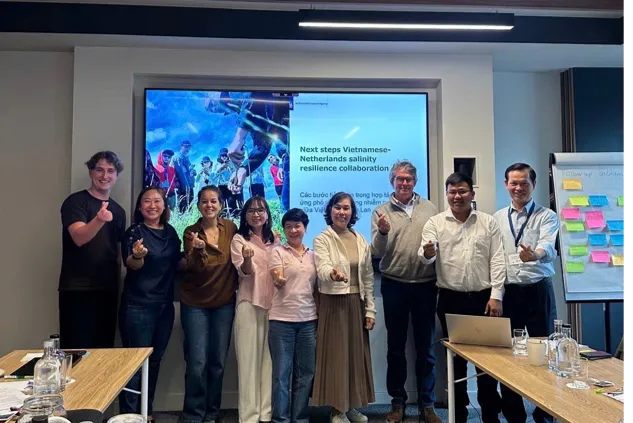
Notably, on the final working day of the programme, June 12, 2026, during the wrap-up session held in Amsterdam, Dr. Tran Thi Ngoc Bich, Director of the STARS Water Center at Tra Vinh University, represented the delegation in direct discussions and contributed important technical and strategic insights.
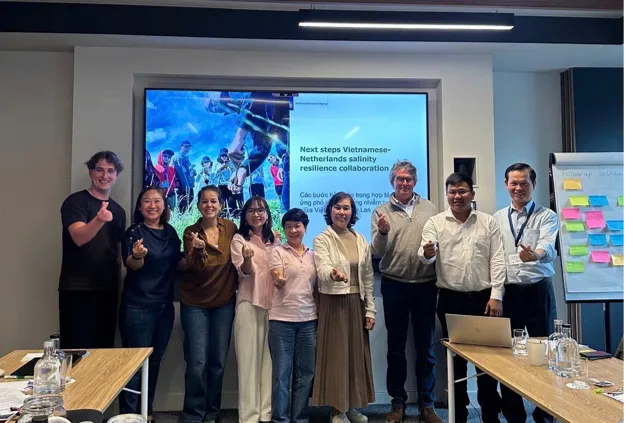
During the meeting, Dr. Tran Thi Ngoc Bich and international experts reviewed the lessons learned from the field visits and jointly developed a roadmap for the programme entitled “Next Steps in Vietnam–Netherlands Cooperation on Salinity Resilience.”
The proactive contribution of Tra Vinh University’s representative during the final session not only helped translate theoretical solutions into concrete actions but also opened opportunities for deeper cooperation in technology transfer and the development of high-quality human resources between Dutch partners and Tra Vinh University.
These outcomes play an important role in advancing the University’s commitment to sustainable development and strengthening the resilience and prosperity of livelihoods in the Mekong Delta amid increasingly unpredictable saltwater intrusion.