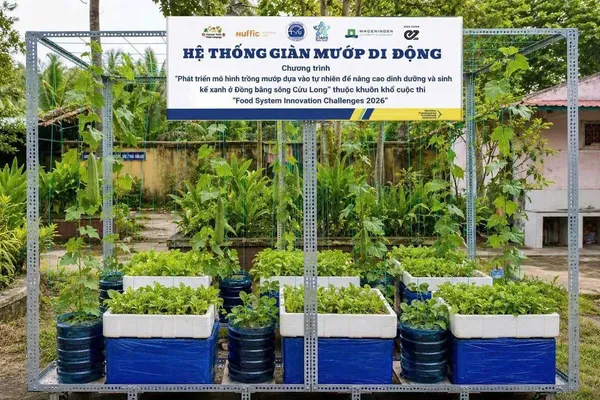
A luffa model for nutrition and green livelihoods
Developing a circular luffa model that uses the fruit, fibre, leaves, and other by-products to make food and biomaterials and create more livelihood opportunities for Mekong Delta communities.
Field trials, community models, and international partnerships are turning water from a challenge into a resource for the Mekong Delta.
Showing 1–9 of 11 projects.
Developing a circular luffa model that uses the fruit, fibre, leaves, and other by-products to make food and biomaterials and create more livelihood opportunities for Mekong Delta communities.
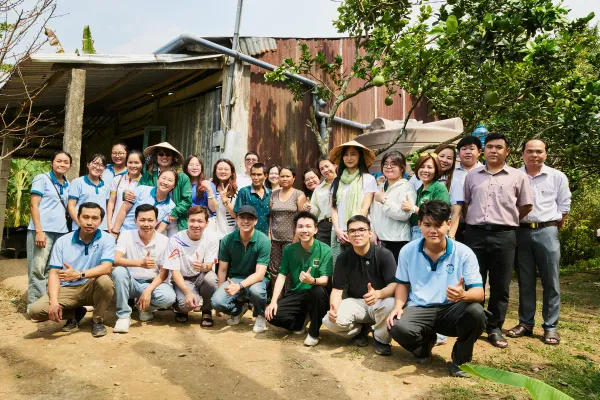
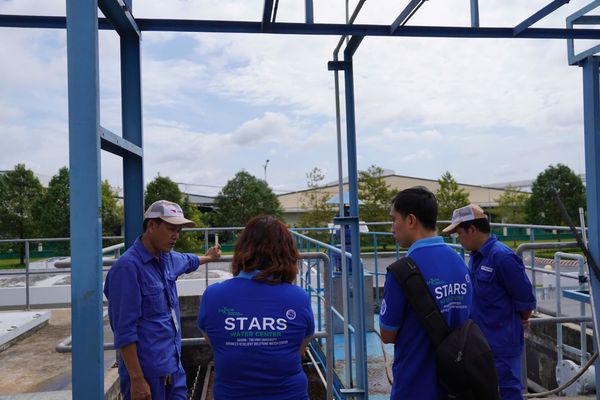
The ACE-Biz pilot led by STARS Water Center helps businesses assess opportunities to reuse treated wastewater, test mobile membrane filtration, and develop technical guidance tailored to their water needs.
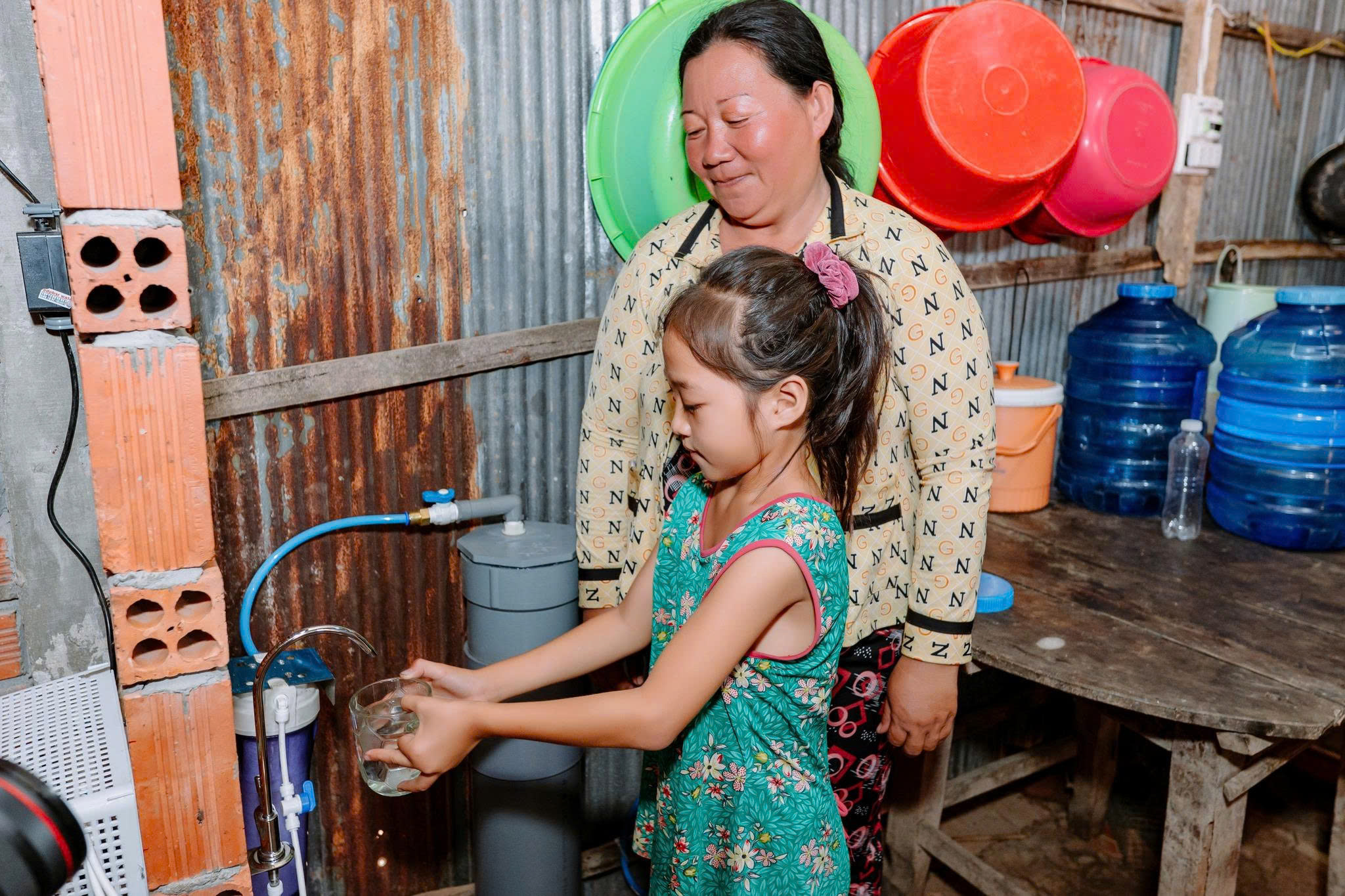
Gravity-fed rainwater collection, storage, and treatment systems have been installed for vulnerable households in Quới Thiện island commune, giving them a more reliable domestic water source during the dry season and reducing reliance on purchased water.
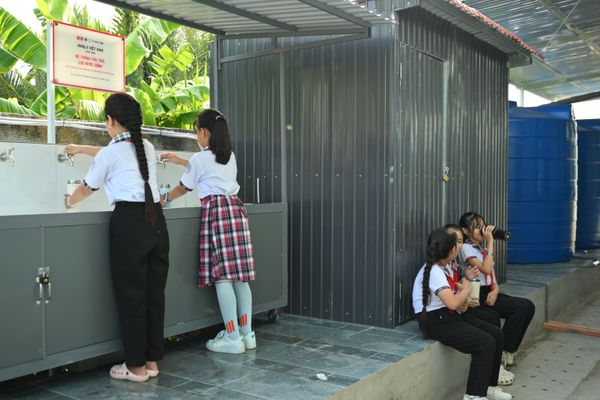
The project combines a drinking-water collection, storage, and filtration system with a constructed wetland at Hòa Minh Primary School. It serves 540 pupils, teachers, and staff and reuses treated wastewater to irrigate the school grounds.
This phase of the clean-water initiative brought 10 rainwater storage and treatment systems to low-income households in Long Hòa, improving access to treated water for daily use where piped networks do not yet reach.
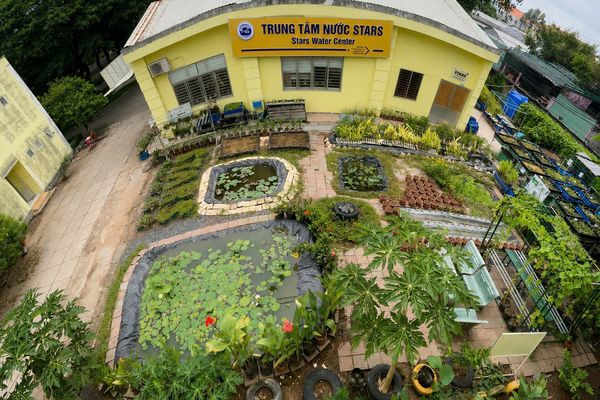
The ecological wetland model combines treatment stages using native plants and reused materials to treat domestic wastewater and provide water for irrigation, while creating a hands-on STEM learning space within a green landscape.
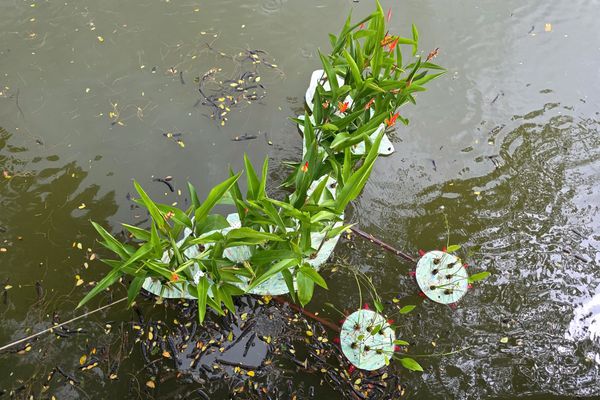
The model reuses plastic to create floating structures for native aquatic plants, helping improve water quality, provide habitat, and offer a green solution for canals, lakes, and community spaces.
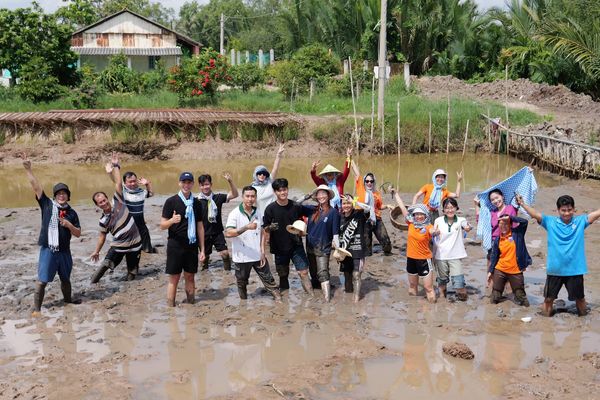
The project links an organic rice–shrimp model adapted to seasonal changes between saline and freshwater conditions with the “Tôm - Lúa Nhà Mình” app and a “Day as a Farmer” experience. It aims to widen market access and draw more value from local produce, culture, and ecology.
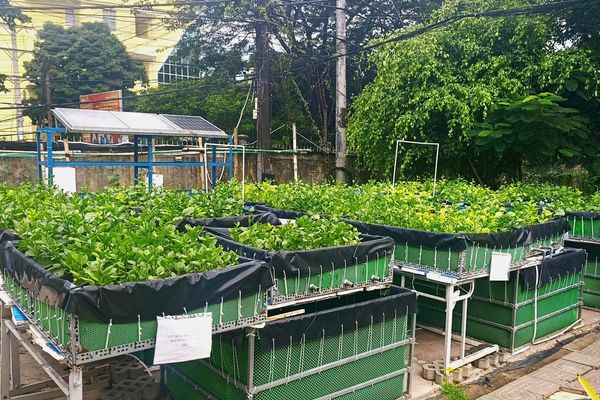
Developing closed-loop aquaponics systems that draw on alternative water sources and reused materials to produce food in settings ranging from homes and schools to urban farms.
Page 1 of 2