STARS Water Center accompanies the implementation of sustainable clean water solutions for schools and rural island communities in Vinh Long province
-1200x675.jpg)
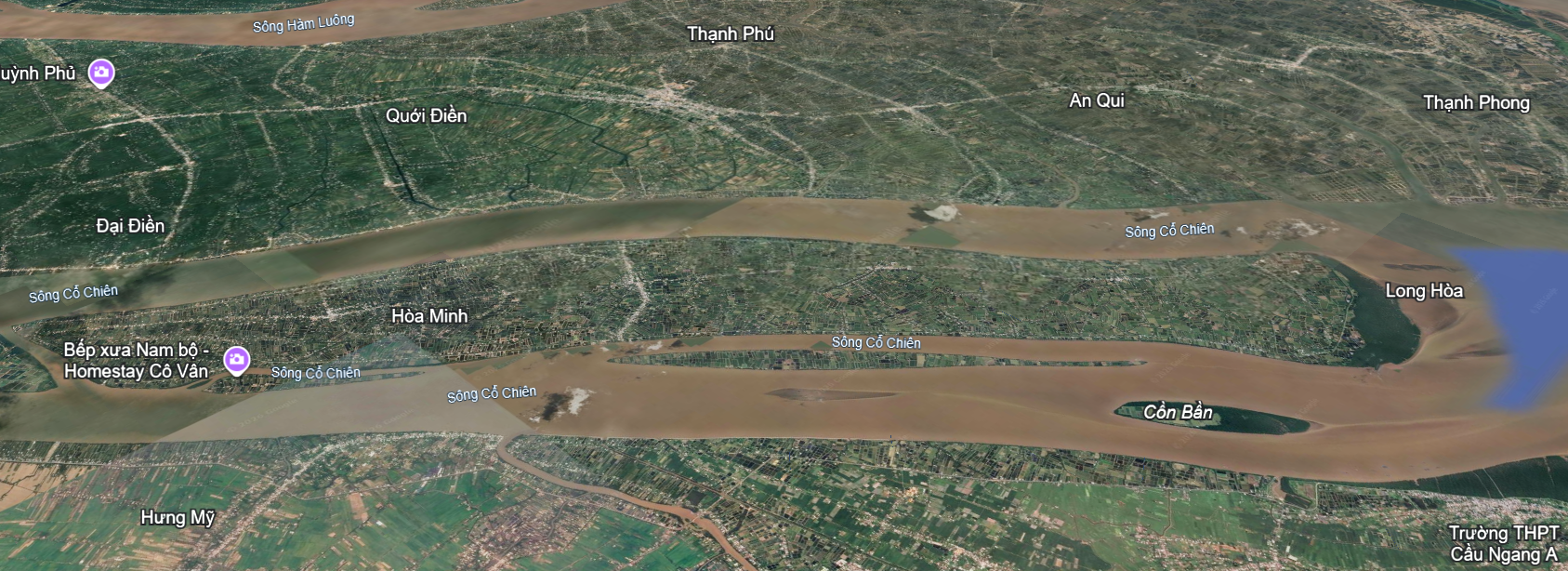
In the context of climate change, drought, and saltwater intrusion increasingly affecting the lives of people in the Mekong Delta, ensuring access to safe clean water has become an urgent need, especially in rural island areas. In Vinh Long Province, many communities living on islets and island communes still depend heavily on natural water sources, while centralized water supply infrastructure remains limited.
In response to this reality, UNIQLO Vietnam and Tra Vinh University, with the connection support of Map Me, have jointly implemented clean water support activities for rural island communities in Vinh Long Province for two consecutive years. This journey began with support for households in Cu Lao Long Hoa in 2025 and continued to develop into an integrated clean water model in the school environment at Hoa Minh Primary School in 2026.
From household support to a school-based clean water model
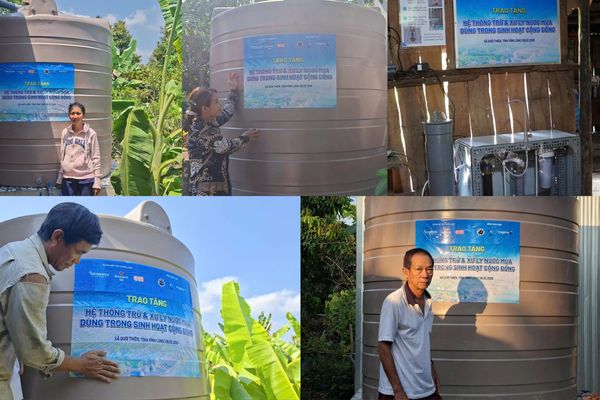
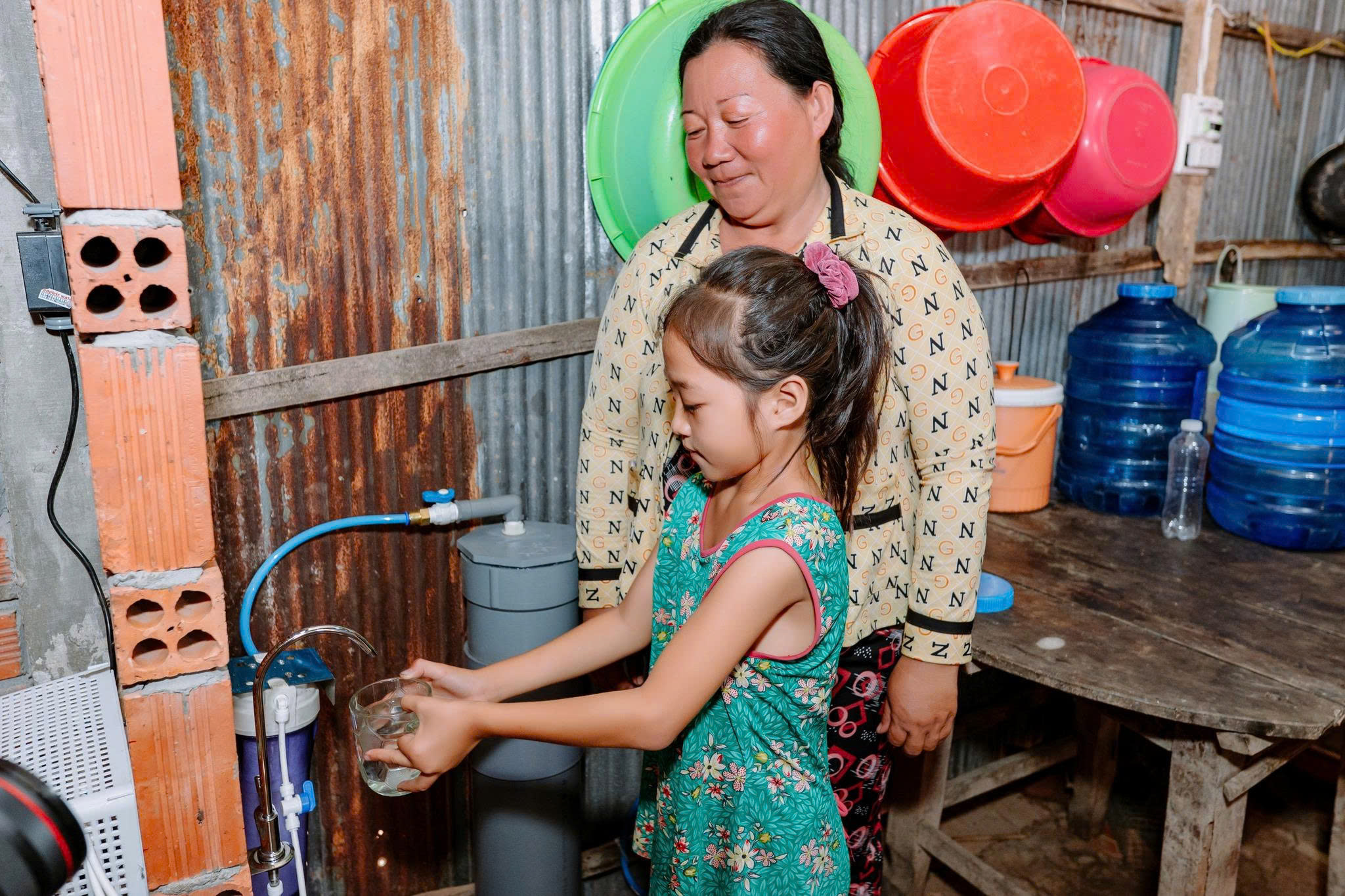
In 2025, the program donated 10 rainwater harvesting, storage, and treatment systems to disadvantaged households in Cu Lao Long Hoa. This area is affected by its island commune geography, drought, saltwater intrusion, and fluctuations in surface water quality, making it challenging for local residents to secure clean water for daily domestic use.
 (1).jpg)
The rainwater harvesting, storage, and treatment systems have helped residents make use of locally available water sources, increase their clean water reserves, reduce dependence on external water sources, and strengthen their capacity to adapt to changes in water availability. For disadvantaged households, this support is not only about providing equipment, but also a practical solution that helps improve living conditions and protect health.
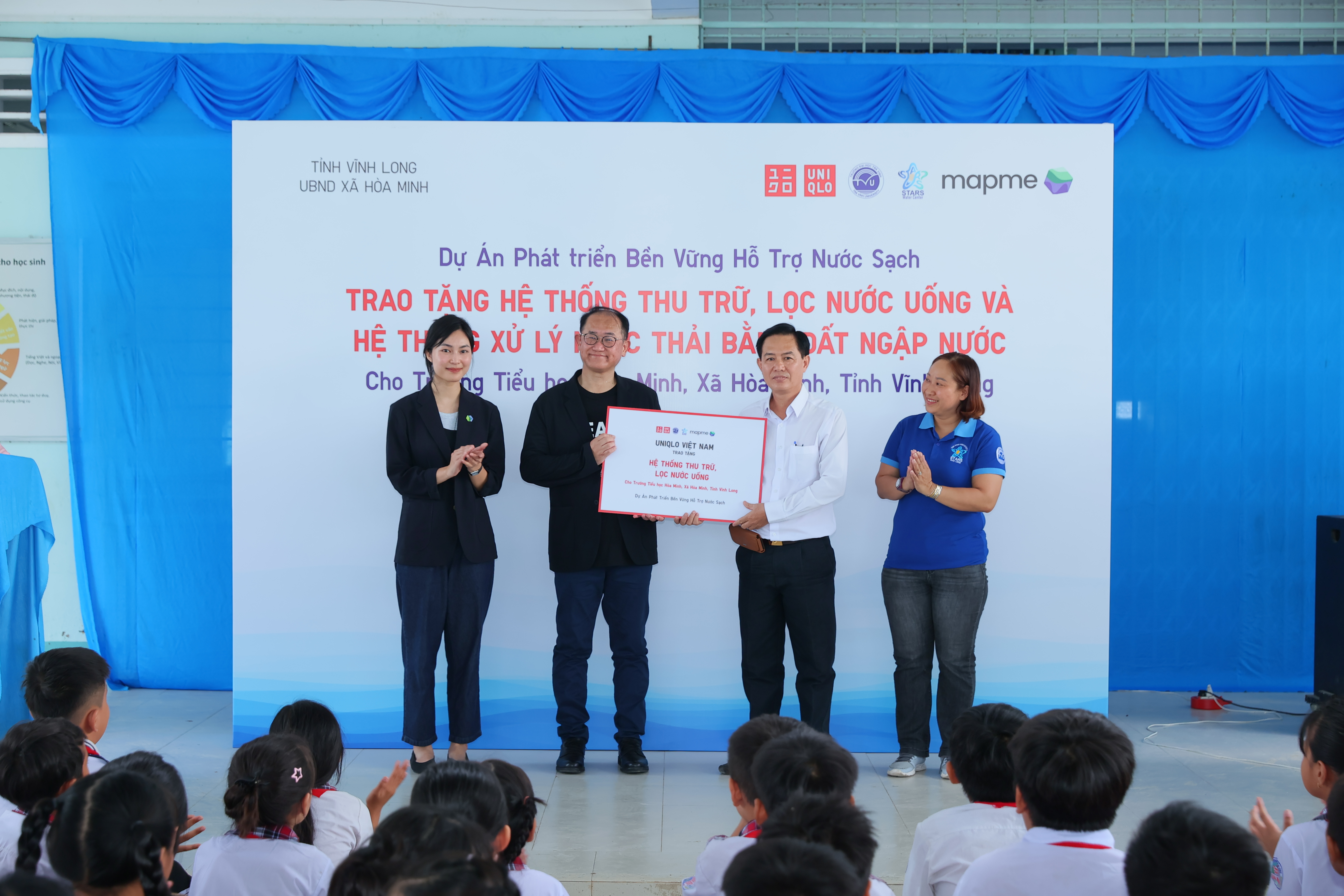
Building on these results, in 2026, the program was expanded to the school environment through the implementation of an integrated clean water model at Hoa Minh Primary School, Hoa Minh Commune, Vinh Long Province. This is an important development, as schools are not only places of learning for children but also community spaces with the potential to spread awareness about water protection, water conservation, and climate change adaptation.
An integrated model: drinking water, wastewater treatment, and water reuse
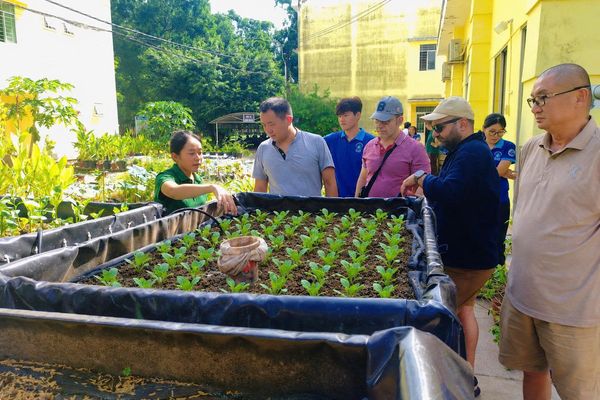
At Hoa Minh Primary School, the system is designed based on an integrated water management approach within the school setting. The model includes key components: rainwater harvesting and storage; treatment of rainwater and tap water into drinking water directly available at the tap; wastewater treatment using a constructed wetland system; and reuse of treated water for irrigation purposes.
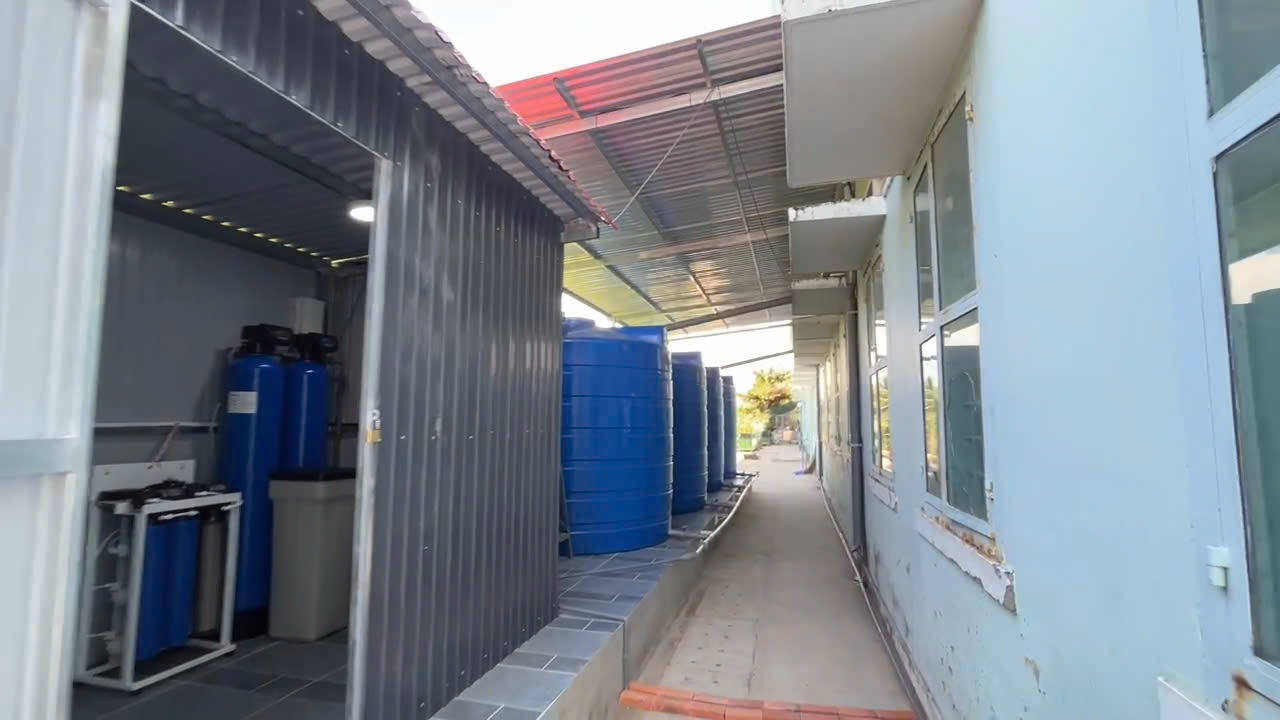
A key feature of the model is that it does not view clean water as a standalone solution, but places it within a circular water-use cycle suitable for school conditions. After being collected, treated, and quality-controlled, rainwater and tap water can be used as direct drinking water at the tap, contributing to improved school health care conditions and enabling students to access safe water right at school.
.jpg)
In addition, a constructed wetland system is introduced to treat wastewater within the school. This is a nature-based solution that combines filter media, microorganisms, plants, and water flow to remove pollutants. After treatment, the water can be used for watering plants, maintaining green spaces, or discharged into the environment without causing pollution.
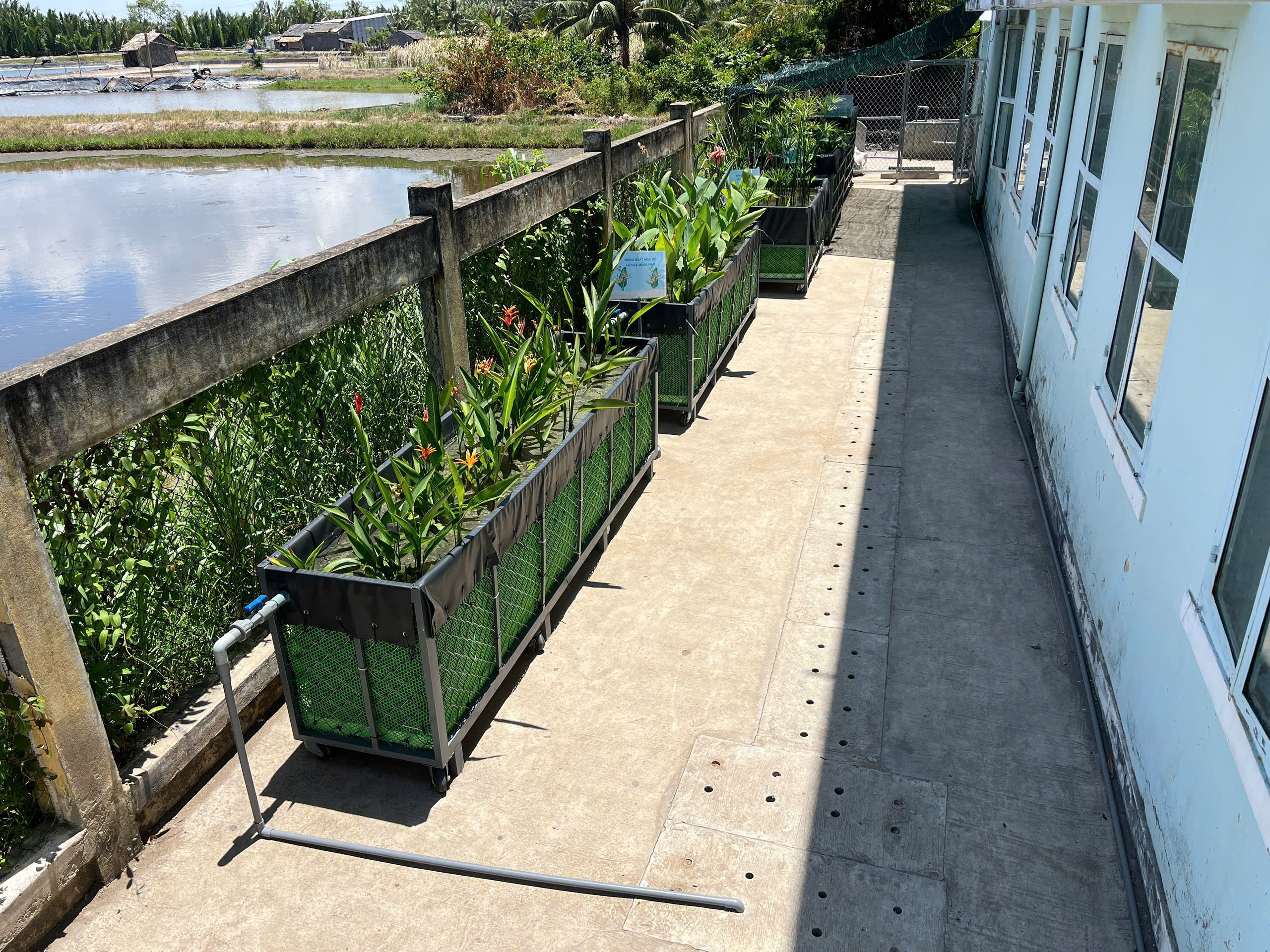
This approach reflects circular water management thinking on a small scale, where used water is not treated solely as waste but can become a secondary resource if properly treated.
A visual learning space for water and the environment
Beyond providing clean water benefits, the model at Hoa Minh Primary School also creates a visual and practical learning space for students. Through the actual system located within the school campus, students can observe how rainwater is collected, treated, and used; how wastewater is treated through constructed wetlands; and how treated water is reused to care for green areas.
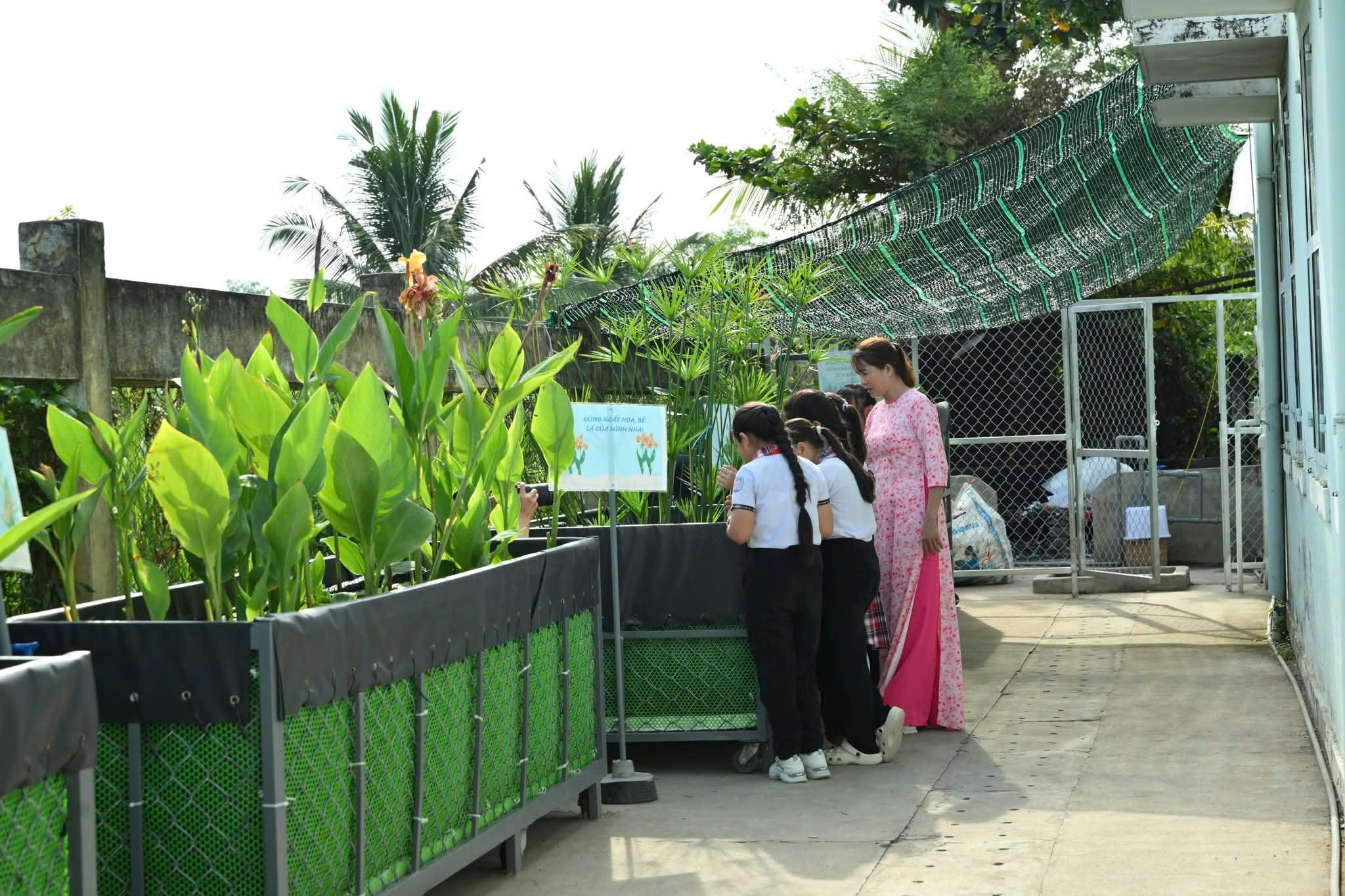
Concepts such as water conservation, resource reuse, wastewater treatment, drought, saltwater intrusion, and climate change adaptation become more accessible when connected to students’ daily school life. This also provides an opportunity to foster habits of safe, economical, and responsible water use among students from an early age.
Multi-stakeholder cooperation for sustainable clean water
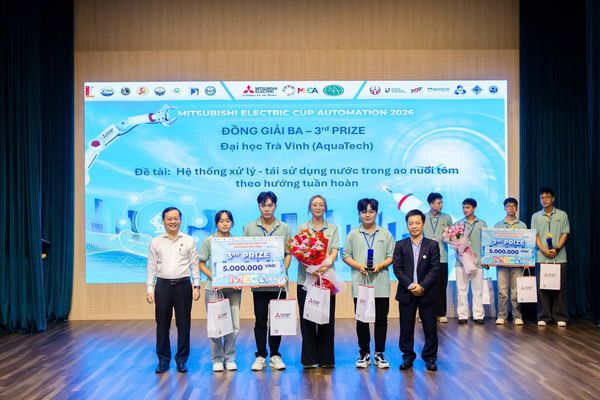
The project is a representative example of multi-stakeholder cooperation in the fields of clean water, environment, and social responsibility. In this collaboration, the enterprise contributes funding resources; the connecting organization supports coordination and communication; the technical institution participates in field surveys, design, and technical supervision; and the school and local authorities coordinate in receiving, operating, and maintaining the system.
To ensure effective and sustainable operation, the implementation process does not stop at equipment installation. It also emphasizes field assessment, context-appropriate design, operation guidance, maintenance, and post-handover water quality monitoring. These are important factors to ensure that the system not only addresses immediate needs but also maintains long-term effectiveness.
Towards replication for rural island communities
From the 10 rainwater harvesting, storage, and treatment systems installed in Cu Lao Long Hoa in 2025 to the integrated clean water model at Hoa Minh Primary School in 2026, this cooperation journey demonstrates a practical approach to ensuring clean water for rural island communities.
.webp)
The value of these activities lies not only in the number of systems installed, but also in the selection of solutions suited to local characteristics: making use of rainwater, improving water self-sufficiency, treating wastewater in an environmentally friendly manner, and reusing water for appropriate purposes.
As island communes and islet communities in the Mekong Delta continue to face pressures from climate change, drought, and saltwater intrusion, community-scale clean water models such as those in Long Hoa and Hoa Minh can serve as practical references for localities seeking sustainable, easy-to-operate, and scalable solutions.
Through these activities, the STARS Water Center continues to affirm its commitment to accompanying communities in promoting clean water solutions, circular water management, and climate change adaptation, contributing to health protection, improved education quality, and the development of a sustainable living environment for rural communities.