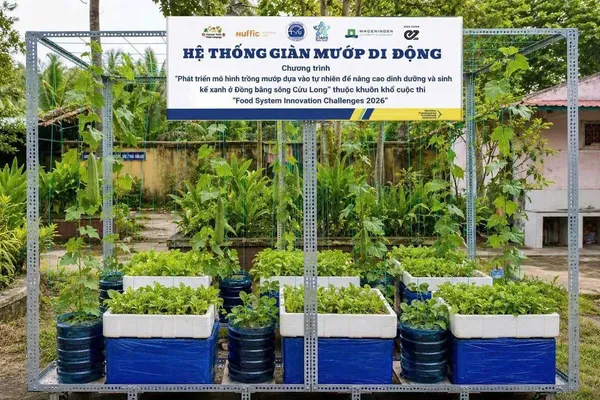
A luffa model for nutrition and green livelihoods
Developing a circular luffa model that uses the fruit, fibre, leaves, and other by-products to make food and biomaterials and create more livelihood opportunities for Mekong Delta communities.
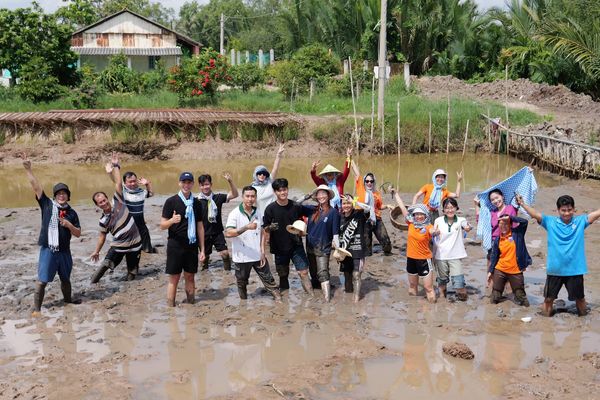
Field trials, community models, and international partnerships are turning water from a challenge into a resource for the Mekong Delta.
Showing 1–4 of 4 projects.
Developing a circular luffa model that uses the fruit, fibre, leaves, and other by-products to make food and biomaterials and create more livelihood opportunities for Mekong Delta communities.
The project links an organic rice–shrimp model adapted to seasonal changes between saline and freshwater conditions with the “Tôm - Lúa Nhà Mình” app and a “Day as a Farmer” experience. It aims to widen market access and draw more value from local produce, culture, and ecology.
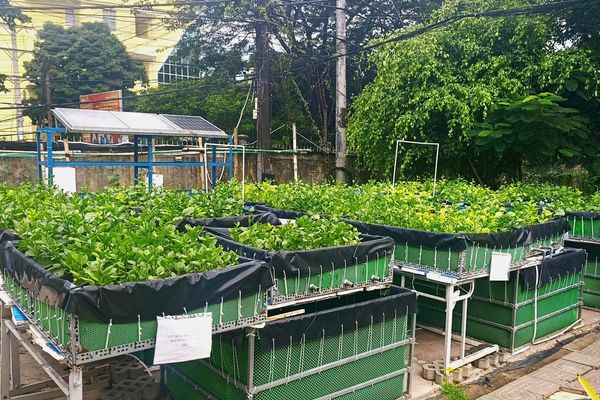
Developing closed-loop aquaponics systems that draw on alternative water sources and reused materials to produce food in settings ranging from homes and schools to urban farms.
The Mekong Salinity Center project tests water storage, treatment, and conservation solutions with farming households while building a network of lead farmers to share knowledge and expand community responses to drought and saltwater intrusion.